
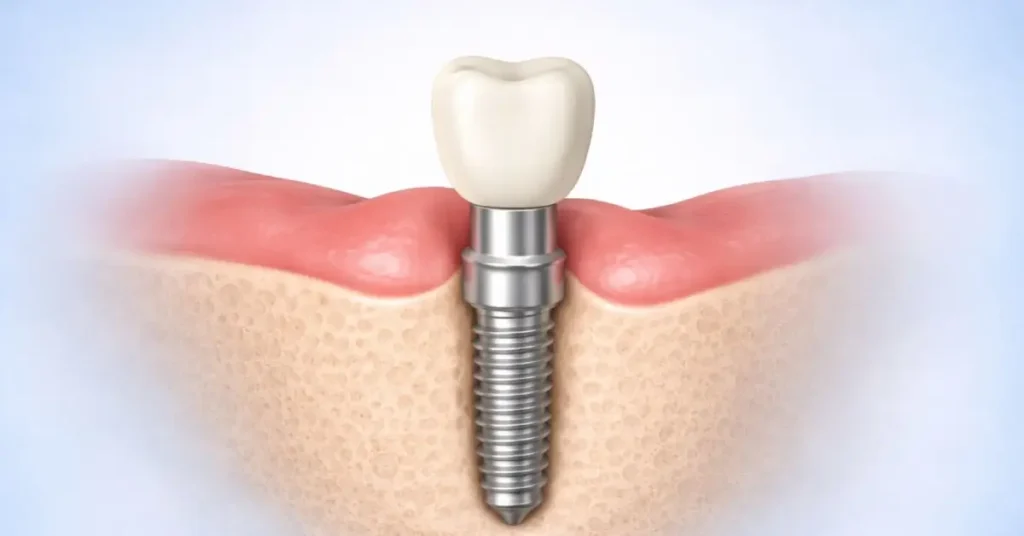
Dental implants are small artificial tooth root replacements placed in the jawbone. The different types of dental implants include endosteal implants, subperiosteal implants, and full-arch systems like All-on-4, 3-on-6 , each designed for specific bone density and tooth loss conditions. Some implants are surgically inserted into the jawbone, while others rest above the bone when bone volume is thin or limited. Most implants use biocompatible materials like titanium or zirconia, which fuse with the bone through osseointegration to create a stable foundation. Dental Implant procedure begins with clinical evaluation and imaging, followed by implant placement, a healing phase, and final prosthetic attachment. Costs for dental implant vary based on implant type, material selection, number of teeth replaced, and additional procedures like bone grafting, which influence both treatment complexity and long-term outcomes.
The 5 main types of dental implants are discussed below.
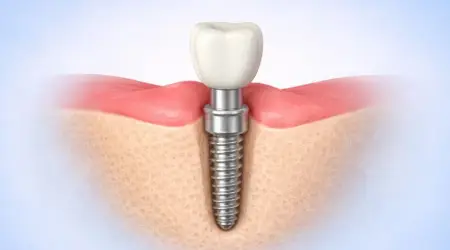
Endosteal implants are artificial tooth roots placed directly into the jawbone. They look like small screws and fuse with the bone through osseointegration. These implants offer strong stability and long-term durability. They support single crowns, bridges, or full dentures with a firm bite force. They fit patients with healthy jawbone and enough bone density to hold the implant securely.
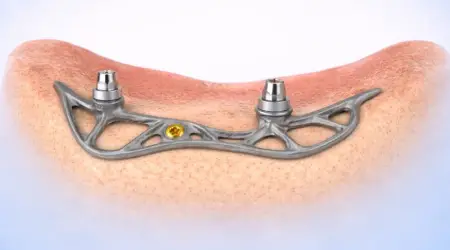
Subperiosteal implants rest on top of the jawbone under the gum instead of going inside it. A metal frame supports the artificial tooth. This option avoids deep bone surgery and suits cases where bone height feels limited. It requires less invasive placement compared to traditional implants. It fits patients with significant bone loss who do not want bone graft procedures.
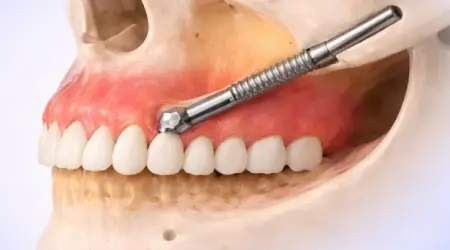
Zygomatic implants are long dental implants placed into the cheekbone instead of the jawbone to support artificial teeth. This design bypasses weak or damaged jawbone and creates a strong anchor for prosthetic teeth.
These implants provide high stability in cases of severe bone loss. They remove the need for bone grafting and reduce total treatment time. Their length and placement angle allow secure support for full-arch restorations.
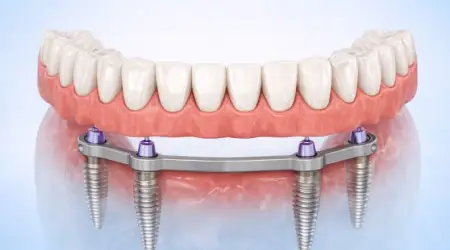
All-on-4 dental implants are a full-arch tooth replacement system where four implants support a complete set of artificial teeth. The implants are placed at specific angles in the jawbone to create strong support, even when bone volume feels limited.
The All-On-X offers a fixed and stable solution for replacing most or all missing teeth. It reduces the need for bone grafting and uses fewer implants than traditional full-mouth methods. You get improved bite strength and a natural feel with a shorter treatment timeline.
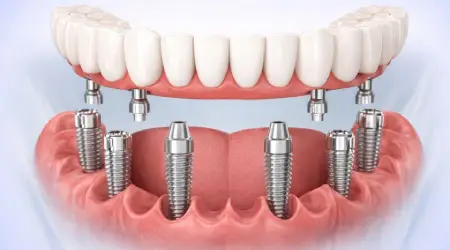
3-on-6 implants are a full-arch restoration system where six dental implants support three separate bridges to replace a full set of artificial teeth. Each bridge connects to two implants, which creates a segmented and stable structure across the jaw.
The 3-on-9 implant improves stability and spreads bite pressure more evenly across the implants. The separate bridges feel closer to natural teeth and support better function during chewing. It offers a fixed solution with strong support and long-term durability.
Mini dental implants are small artificial tooth root replacements with a narrower diameter than standard implants, placed into the jawbone to support prosthetic teeth or stabilize dentures. Their compact size allows placement in areas where bone width feels limited, which makes the procedure less invasive and faster compared to traditional implants.
Dental implants are primarily made of biocompatible materials designed to fuse with the jawbone, most commonly titanium or zirconia. The common materials used in dental implant are mentioned below.
Dental implant success rate depends on bone integration, surgical precision, and aftercare, which aligns with findings from long-term clinical research in implant dentistry. A research study by Clinical Oral Implants Research report survival rates between 90% and 95% over 10 years, where strong osseointegration plays a key role in implant stability.
The table below summarizes the success rate of each dental implant type.
| Implant Type | Success Rate | What It Depends On |
|---|---|---|
| Endosteal Implants | 90–95% | Strong bone density, precise placement, stable osseointegration, good oral hygiene |
| Endosteal with Bone Augmentation | 85–95% | Bone graft success, healing time, bone regeneration quality, patient health |
| Subperiosteal Implants | 85–90% | Gum support, fit of metal framework, lower bone interaction, hygiene maintenance |
| Single Tooth Implant | 90–95% | Local bone strength, bite force control, proper crown placement |
| Implant-Supported Bridge | 90–95% | Load distribution across implants, alignment, hygiene around bridge area |
| All-on-4 Implants | 90–95% | Implant angulation, bone contact, full-arch load balance, maintenance care |
| 3-on-6 Implants | 90–95% | Even pressure distribution, multiple implant support, strong bone structure |
| Zygomatic Implants | 90–95% | Surgical expertise, anchorage in cheekbone, patient anatomy |
| Immediate-Load Implants | 85–95% | Initial implant stability, bone quality, controlled bite force during healing |
Dental implant success rate depends on bone integration, surgical precision, and aftercare, which aligns with findings from long-term clinical research in implant dentistry. A research study by Clinical Oral Implants Research report survival rates between 90% and 95% over 10 years, where strong osseointegration plays a key role in implant stability.
The table below summarizes the success rate of each dental implant type.
| Implant Type | Average Cost Range | Cost Drivers |
|---|---|---|
| Single Tooth Implant | $3,000 – $5,000 | Single implant, crown, basic procedure |
| Endosteal Implants | $3,000 – $6,000 per implant | Bone density, implant material, surgical placement |
| Endosteal with Bone Augmentation | $4,000 – $8,000 per implant | Bone graft, healing time, added surgery |
| Subperiosteal Implants | $5,000 – $10,000 | Custom framework, limited bone support |
| Implant-Supported Bridge | $5,000 – $15,000 | Multiple teeth on fewer implants, bridge design |
| All-on-4 Implants | $20,000 – $50,000 per arch | Full-arch prosthetic, four implants, lab work |
| 3-on-6 Implants | $25,000 – $60,000 per arch | Six implants, multiple bridges, higher stability |
| Zygomatic Implants | $30,000 – $70,000 | Complex surgery, specialist expertise, no bone graft |
| Immediate-Load Implants | $4,000 – $10,000 per implant | Same-day teeth, precision placement, temporary crown |
Follow the steps mentioned below to choose the right dental implant type:
The right dental implant depends on how many teeth you have lost, how strong your jawbone feels, and what kind of result you want. Dentists often start with endosteal implants since they fit most cases and offer strong support inside the jawbone. Your dentist may suggest subperiosteal implants, if your jawbone lacks enough height and you want to avoid bone grafting. Zygomatic implants work better in cases with severe bone loss, where the implant anchors into the cheekbone instead of the jaw.
Endosteal implants remain the most popular dental implant type because they provide strong support, long-term stability, and predictable results. These implants are placed directly into the jawbone, which allows them to act like natural tooth roots and handle daily pressure from chewing.
Dental implants use titanium as the primary material because it bonds well with the jawbone and supports long-term stability. Titanium is a biocompatible material, which means the body accepts it without causing harmful reactions.
Not all dental implants require bone grafting, since the need depends on your jawbone density and the type of implant used. Bone grafting becomes necessary when the jawbone lacks enough volume or strength to support the implant securely.